
70+ Free Medical History Form Templates [Word & PDF]

The medical history form helps the doctor to know the patient’s health history. These health history form templates will help you to track the patient’s health condition. This medical form document contains information about the patient’s diagnoses, medical investigations, past diseases, etc. Any doctor needs the patient’s medical condition and background to proceed with the treatment.
A person’s medical history is an essential document for making some crucial decisions. You must have a document that contains your medical record, which is required for various purposes. Download your favorite free medical history form templates in Word or PDF in one click. A complete guide about medical history form is shared, which is very useful to understand it easily.
⬇ Download Free Templates Below
Download Free Medical History Form Templates
Medical History Form Templates (Word) 1-24
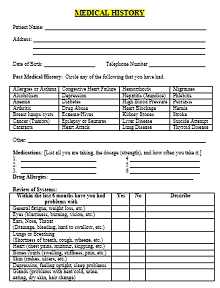
Medical history form 01
DOC
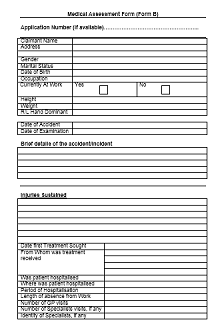
Medical history form 02
DOC
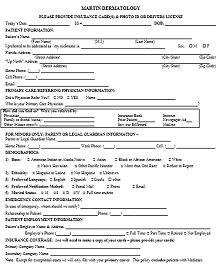
Medical history form 03
DOCX
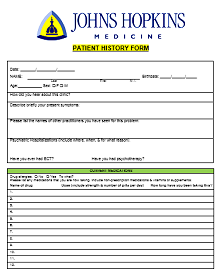
Medical history form 04
DOC
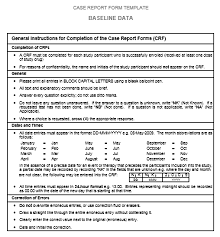
Medical history form 05
DOC
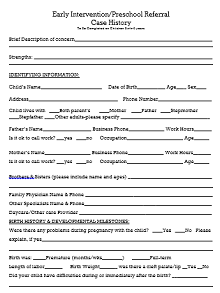
Medical history form 06
DOC
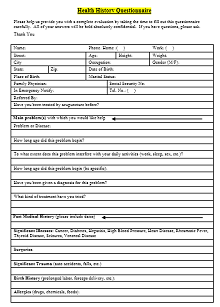
Medical history form 07
DOC
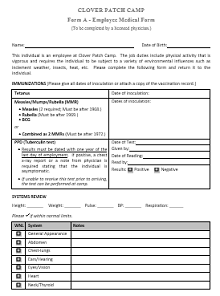
Medical history form 08
DOC
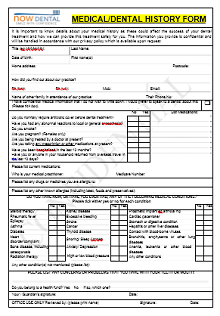
Medical history form 09
DOCX
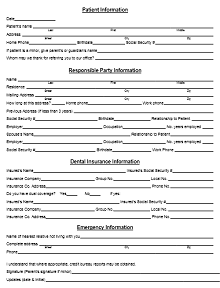
Medical history form 10
DOC
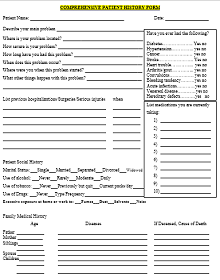
Medical history form 11
DOC
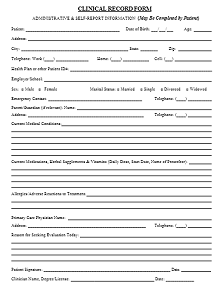
Medical history form 12
DOC
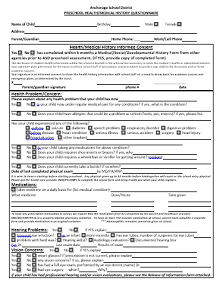
Medical history form 13
DOCX
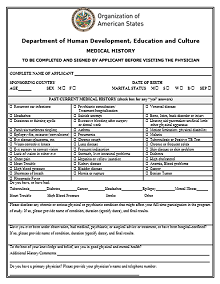
Medical history form 14
DOC
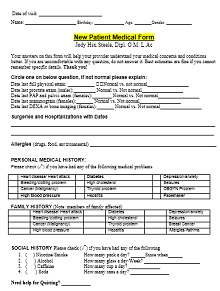
Medical history form 15
DOC
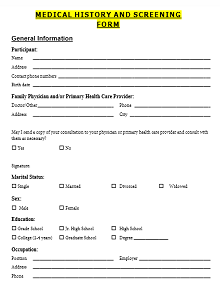
Medical history form 16
DOC
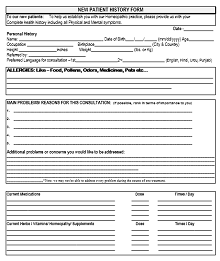
Medical history form 17
DOC
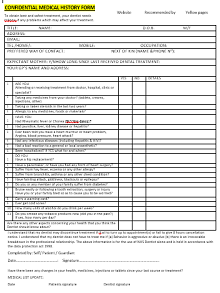
Medical history form 18
DOCX
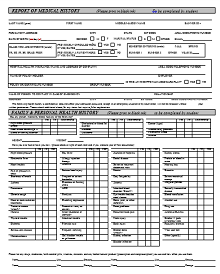
Medical history form 19
DOCX
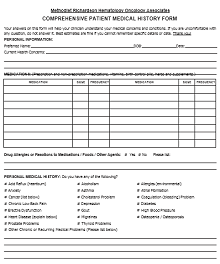
Medical history form 20
DOCX
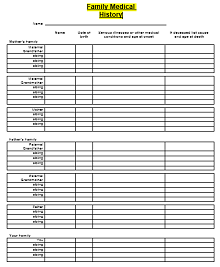
Medical history form 21
DOCX
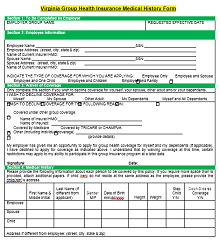
Medical history form 22
DOCX
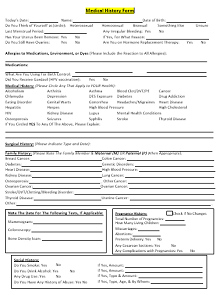
Medical history form 23
DOCX
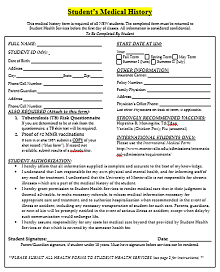
Medical history form 24
DOCX
Medical History Form Templates (Word) 25-70
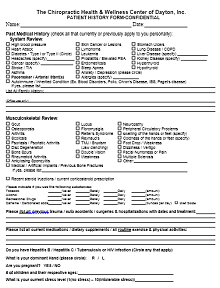
Medical history form 25
DOC
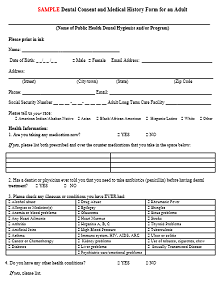
Medical history form 26
DOC
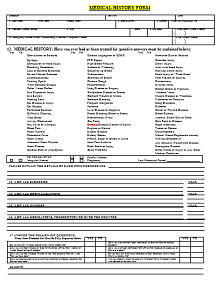
Medical history form 27
DOCX
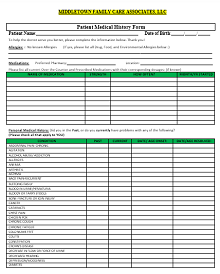
Medical history form 28
DOCX
Medical history form 29
DOCX
Medical history form 30
DOCX
Medical history form 31
DOCX
Medical history form 32
DOCX
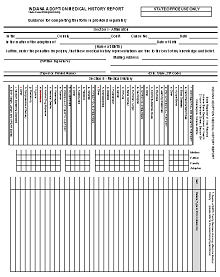
Medical history form 33
DOCX
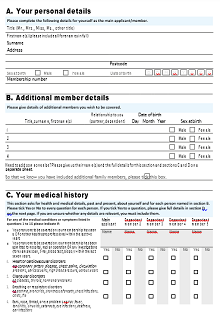
Medical history form 34
DOCX
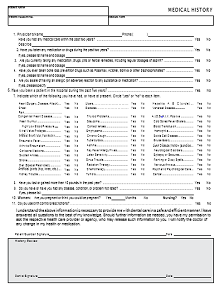
Medical history form 35
DOCX
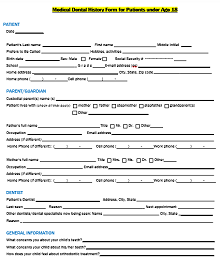
Medical history form 36
DOCX
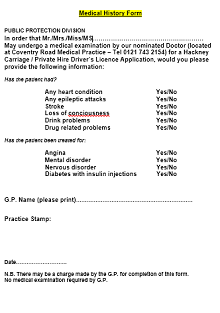
Medical history form 37
DOCX
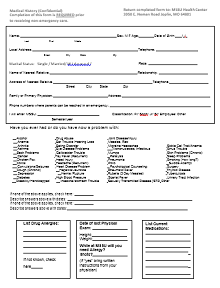
Medical history form 38
DOCX
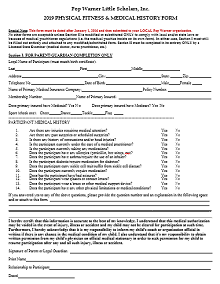
Medical history form 39
DOCX
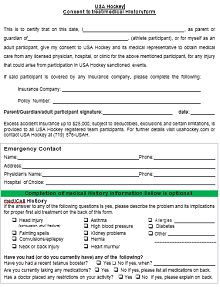
Medical history form 40
DOCX
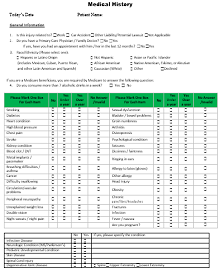
Medical history form 41
DOCX
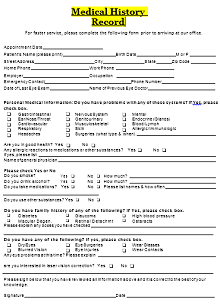
Medical history form 42
DOCX
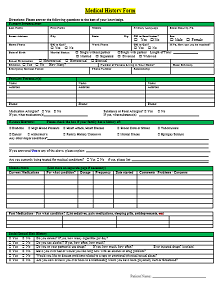
Medical history form 43
DOCX
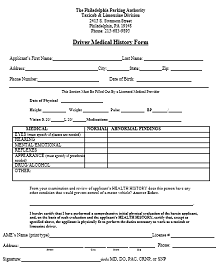
Medical history form 44
DOCX
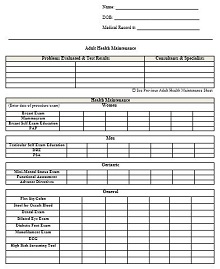
Medical History Form 67
DOC
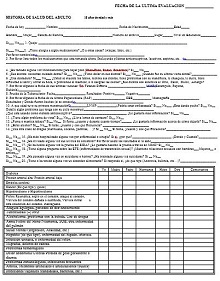
Medical History Form 68
DOC
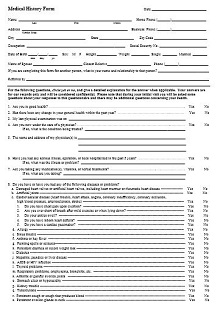
Medical History Form 69
DOCX
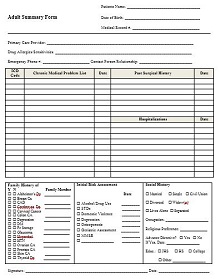
Medical History Form 70
DOC
Medical History Form Templates (PDF)
Medical History Form 45
PDF
Medical History Form 46
PDF
Medical History Form 47
PDF
Medical History Form 48
PDF
Medical History Form 49
PDF
Medical History Form 50
PDF
Medical History Form 51
PDF
Medical History Form 52
PDF
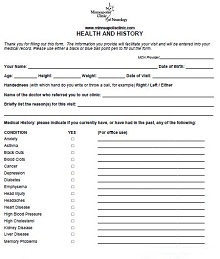
Medical History Form 53
PDF
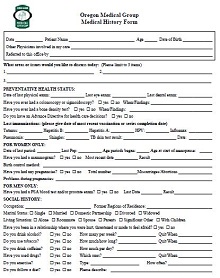
Medical History Form 54
PDF
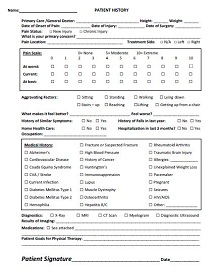
Medical History Form 55
PDF
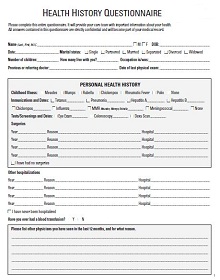
Medical History Form 56
PDF
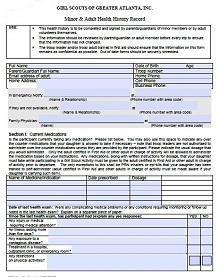
Medical History Form 57
PDF
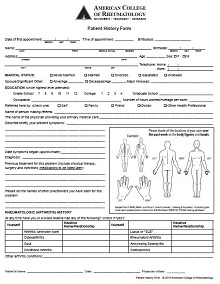
Medical History Form 58
PDF
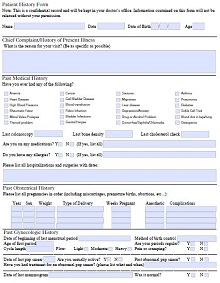
Medical History Form 59
PDF
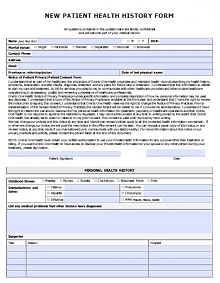
Medical History Form 60
PDF
Medical History Form 61
PDF
Medical History Form 62
PDF
Medical History Form 63
PDF
Medical History Form 64
PDF
Medical History Form 65
PDF

Medical History Form 66
PDF
What Is A Medical History Form/Medical Chart?
A document that contains information about a person’s health is called a medical history form. Many decisions are based on a person’s medical history. It is one of the most important documents for medical treatment, procedure, and other legal issues. It contains the basic information of the person whose form is this, contact details, medical information, results of physical tests, and other information.
Medical history includes information about allergies like food, environment or product, previous disease, current illness, and a clear medication description. Your employers require a medical history form, insurance companies, judiciary, and medical research. If you visit a new doctor, he needs to view your medical history for effective treatment. You can ask for your medical history form from the hospital or clinic you have visited; they have medical history forms for each patient. You can find a vast collection of medical history forms for hospitals or clinics. You can see our fantastic selection of free, editable, and printable medical history form templates.
⚠ HIPAA Notice: Medical history forms used in clinical or professional settings in the United States may need to comply with HIPAA (Health Insurance Portability and Accountability Act) regulations. These templates are provided for reference and general use. Please review your specific compliance requirements with a qualified legal or healthcare compliance professional before clinical use.
When We Need Medical History Form
A medical history form is one of the most important medical documents that are always required for various purposes. In some situations, it works as proof and prevents you from many critical issues. Sometimes, in legal issues, the judiciary asks for your client’s medical history, and then you need a medical release form to access your client’s medical history. It may be a custody case, criminal and other injury cases in which the judiciary asks for your medical history, which may save you from punishment. It is the most important document in various judiciary cases.
Medical history forms an essential document to purchase an insurance policy; insurance agents ask for your medical history before giving an insurance policy. It is also very helpful for medical research. For medical research, they must study the patient’s medical history who suffers from specific medical issues or diseases. Employers want to access your medical history in case of any medical issues. They need a medical release or medical history form to know your medical situation in the past. If you want to visit a new consultant for a second opinion, a new doctor wants to know your medical history for effective treatment.
Component Of Medical History Form
Below, we share every element of medical history, which helps you understand the medical history form format more clearly.
Patient’s information
First, the patient’s name, phone number, gender, age, and address are included in this portion of the medical history form. It is very important to mention the patient’s contact information so that he/she can be contacted with any legal or medical issues.
Allergies
Provide details about patients’ allergies, such as food, product, or drug allergies. Describe the type of allergy and its reaction. It’s important to give information about your medical history when you visit a new consultant.
Medication
Your medical history form should clearly describe the medication, including the dose and timing.
Laboratory test history
Description of the type of test, date, provider name, and the result of the test is included in the medical history form.
Vaccination history
Information about the vaccination type with a date is described in this section.
Surgeries
Please describe the type of surgery, the reason behind the surgery, and the date of it with its provider name.
About Disease
Information about your current disease, past disease, and medication with the consultant’s name.
Women medical history
Details of the women’s medical condition are discussed in this date of the last menstrual cycle, the number of pregnancies, no. of live births, and complications during pregnancy.
Signature
The signature at the end of this document makes it an authentic medical document.
Different Medical History Forms
From our vast collection of medical history form templates, some of these areas are as follows:
Medical history forms for employees
Nowadays, employers ask for your medical history in case of any medical history. Medical history form templates for employees are used to fill your current and past medical situation in detail, which helps to give an effective treatment in case of any emergency. For many reasons, you can see here a vast collection of medical history form templates in Word or PDF, which helps save your medical history in required documents.
It must be written in an understandable way to prevent you from any complexities. Sometimes, employers want to know whether the person they are hiring is fit. For that purpose, they include it in the company’s recruitment process, which helps you prevent any future medical issues.
The patient’s medical history form
The hospital or clinic requires patient medical history forms to keep their medical records. It is helpful for further treatment if you visit a new consultant for a second opinion. They need a great collection of patient medical history form templates to save their patient’s medical history.
It is the best way to record it for the future. A portion containing the patient’s personal information, such as the patient’s name, address, phone number, email ID, and other details, is included. For the healthcare profession, saving every patient’s medical record by filing medical history forms is essential. Free medical history form templates for health care are also available in our vast collection of templates.
Dental, medical history form
Whenever you visit your dentist for any dental treatment, they fill out a form containing all of your current or past medical conditions helpful for future use. A dental and medical history form is an essential document that helps prevent legal or medical issues. Dental hospitals or clinics use dental and medical history forms as templates for effective treatment in the future.
Before any dental or medical procedure or treatment, they give you a paper called a consent form, which you sign after reading. It contains a method of treatment, its cost, drugs involved in this procedure, and all personal information. If you visit your dentist for a teeth whitening procedure, you will sign a teeth whitening consent form before treatment. See our complete guide for teeth whitening consent forms with the vast collection of templates.
Personal medical history forms
When you create your medical history document, you need a personal medical history form template to deliver your medical history. A private medical history form is essential medical documentation required for many purposes. It contains your personal information, contact details, medication history, physician details, surgery details, current disease, past disease, and signature at the end of this document to make it legal. Free personal medical history forms are just one click away. These medical history form templates are available in Excel, Word, or PDF, whichever you prefer.
Child medical history form
Nowadays, children get sick because of bad weather or unhealthy food. They visit their doctor at least once a week. Child medical history forms are used to record your child’s medical situation. When children travel without their parents for school trips or events, they need the medical history of every child in case of any medical issue—download the free child medical history form in just one click. Child medical release form templates are also useful for accessing the child’s medical history in an emergency. Use free blank medical history form templates to save medical history records.
How to Fill Out a Medical History Form
Filling out a medical history form accurately takes about 10–15 minutes but saves significant time during every future appointment. Follow these steps to complete one correctly.
- Start with personal information. Enter your full legal name, date of birth, gender, address, and emergency contact. Double-check phone numbers — clinics call these in an emergency.
- List all current medications. Include prescription drugs, over-the-counter medications, vitamins, and supplements. Write the dosage and how often you take each one. Bring the physical bottles if unsure.
- Document all known allergies. Record every allergy — food, drug, environmental, or latex — and describe the reaction (rash, anaphylaxis, nausea). Do not leave this blank even if you have no known allergies; write “NKDA” (No Known Drug Allergies).
- Record past illnesses and diagnoses. Include conditions you have had, even if resolved — chicken pox, pneumonia, diabetes, hypertension. Note the approximate year diagnosed.
- List all previous surgeries and hospitalisations. Include the procedure name, the hospital or clinic, and the year. Anaesthesia reactions are especially important to document here.
- Complete the vaccination history. List vaccines received and their dates where known. If you have a vaccination card or records, copy the dates directly.
- Fill in family medical history. Note conditions your parents, grandparents, and siblings have had — particularly heart disease, diabetes, cancer, stroke, and mental health conditions.
- Answer the Review of Systems questions honestly. These are yes/no symptom checklists covering each body system. Do not skip sections — a “yes” in an unexpected area can trigger important follow-up.
- Sign and date the form. Your signature confirms the information is accurate to the best of your knowledge. Some forms require a witness or guardian signature for minors.
Tip: Keep a completed copy of your own medical history form at home and update it after any new diagnosis, surgery, or change in medication. This makes future forms faster to complete.
Review of Systems (ROS) Checklist
A Review of Systems (ROS) is a structured checklist of symptoms organised by body system. It is one of the most clinically important sections of a medical history form — it helps healthcare providers catch conditions a patient might not think to mention. Most comprehensive medical history form templates include a ROS section. Here is what each system covers:
| Body System | Symptoms Typically Asked |
|---|---|
| General / Constitutional | Unexplained weight loss or gain, fatigue, fever, night sweats, appetite changes |
| Head, Eyes, Ears, Nose, Throat (HEENT) | Headaches, vision changes, hearing loss, tinnitus, nosebleeds, sore throat, dry mouth |
| Cardiovascular | Chest pain, palpitations, shortness of breath on exertion, ankle swelling, history of murmur |
| Respiratory | Chronic cough, wheezing, shortness of breath at rest, history of asthma or COPD |
| Gastrointestinal | Nausea, vomiting, heartburn, abdominal pain, diarrhoea, constipation, blood in stool |
| Genitourinary | Painful urination, frequency, blood in urine, incontinence, kidney stones |
| Musculoskeletal | Joint pain or swelling, muscle weakness, back pain, limited range of motion |
| Neurological | Dizziness, numbness, tingling, tremors, memory problems, seizures, fainting |
| Psychiatric | Anxiety, depression, mood swings, sleep disturbances, history of mental health treatment |
| Endocrine | Excessive thirst or urination, cold or heat intolerance, thyroid problems, diabetes symptoms |
| Skin | Rashes, unusual moles, hair loss, nail changes, chronic itching |
| Haematological / Lymphatic | Easy bruising or bleeding, swollen lymph nodes, history of anaemia or clotting disorders |
Not every medical history form includes all 12 systems — a general practitioner form typically covers 6–8, while a hospital admission form or specialist referral form may cover all 12. Our printable templates above include ROS sections sized for different clinical settings.
Social History Section Explained
The social history section of a medical history form captures lifestyle factors that directly influence health outcomes. Providers use this information to assess risk, tailor treatment, and identify preventive measures. It is not a judgment — it is clinical data. A complete social history covers:
- Tobacco use: Current smoker, former smoker (with quit date and pack-years), or never smoked. Pipe, cigar, and smokeless tobacco use should also be noted.
- Alcohol use: Frequency and typical amount per week. Some forms use a standardised tool such as AUDIT-C. Be honest — this affects medication dosing and surgical risk.
- Recreational drug use: Type, frequency, and route of administration if applicable. This section is confidential and is clinically relevant for drug interactions.
- Occupation: Current and past jobs, especially those involving chemical exposure, physical hazards, night shifts, or high stress.
- Living situation: Whether the patient lives alone, with family, or in a care setting. This matters for discharge planning and follow-up support.
- Exercise and diet: General activity level and any significant dietary restrictions (e.g. vegetarian, gluten-free, low-sodium).
- Travel history: Recent international travel, particularly to regions with endemic infectious diseases such as malaria, tuberculosis, or dengue.
- Sexual history: Number of partners, contraception use, and sexually transmitted infection (STI) history — included on many comprehensive forms for risk stratification.
If a medical history form template does not include a social history section and you need one, select one of the comprehensive Word templates above — the editable formats allow you to add or expand this section freely.
Insurance & Billing Fields on Medical History Forms
Many medical history forms — particularly those used at clinics, hospitals, and specialist practices — include an insurance and billing section alongside the clinical data. Understanding what each field means helps patients complete forms faster and reduces billing errors.
- Primary insurance carrier: The name of the insurance company providing your main health coverage (e.g. Blue Cross, Aetna, UnitedHealth).
- Policy / Member ID: Your individual identification number on the insurance card. This is different from the group number.
- Group number: Identifies the employer or organisation through which the policy was obtained. Found on the insurance card.
- Policyholder name and relationship: If the insurance is held by a spouse or parent, enter their name and your relationship to them.
- Secondary insurance: Some patients carry a second policy (e.g. Medicare plus a supplemental plan). Enter that carrier and ID here if applicable.
- Guarantor: The person financially responsible for the bill if it is not covered by insurance — typically the patient or a parent/guardian for minors.
- Co-pay / deductible acknowledgement: Many forms include a field confirming the patient understands their out-of-pocket responsibility before treatment begins.
- Prior authorisation number: For planned procedures or specialist referrals, the insurer may have issued a pre-approval number. Enter it here if provided.
If you are using these templates for personal record-keeping rather than clinical use, the insurance section can simply be left blank or removed in the editable Word version.
Medical History Form vs Patient Intake Form vs Medical Release Form
These three document types are frequently confused — many clinics combine elements of all three into a single packet. Here is how they differ:
| Feature | Medical History Form | Patient Intake Form | Medical Release Form |
|---|---|---|---|
| Primary purpose | Document a patient’s full health background for clinical decision-making | Collect administrative and demographic information at first visit | Authorise the release or transfer of medical records to a third party |
| Who completes it | Patient (or guardian) | Patient (or guardian) | Patient (or authorised representative) |
| When completed | Before first appointment; updated at each visit | Once, at first visit; updated if details change | On demand, whenever records transfer is needed |
| Core content | Diagnoses, medications, allergies, surgeries, family history, ROS | Name, DOB, address, insurance, emergency contacts, consent to treat | Patient ID, receiving party, scope of records, expiry date, signature |
| Clinical vs administrative | Primarily clinical | Primarily administrative | Purely administrative / legal |
| HIPAA relevance | Storage and access must be HIPAA-compliant in the US | Storage must be HIPAA-compliant; consent language required | The form itself is a HIPAA-required authorisation document |
| Available on ExcelSHE | ✓ This page — 70+ templates | 50+ Patient Registration Form Templates | 35+ Medical Release Form Templates |
If you need all three document types, download them from the respective pages linked in the table above. Each set of templates is free, editable in Word, and available in PDF.
Family Medical History Form
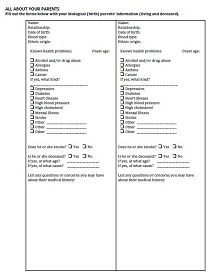
Nowadays, it’s common to have some genetic health problems; you may face many health issues from which your parents and their parents suffer. Having a record of your medical situation with your parents and close relatives is essential. The family medical history form includes children’s, brothers’, sisters’, parents’, grandparents’, and cousins’ medical problems. You can see many common factors in a family because of their genes and the same environment. Common genetic diseases are high blood pressure, diabetes, heart disease, and cancer.
The best way to save a record of your medical situation is to fill out a medical history form. Instead of asking everyone in your family about the disease, make a family medical history form in which all the information about every person’s medical situation should be included. Ask for every close relative and parent their family medical history form to make a family medical history form is the best way to gather medical information from your family.
A family medical history form is one of the best ways to prevent any medical issues in your family. For that purpose, you need a family medical history form template to make a medical history of your whole family. Free family medical history form in Word or template is just one click from your access.
Who Should Include In Your Family Medical History Form
Everyone knows about their genetic health issues. If anyone doesn’t know from which your family members suffer. Every family member’s medical history form is one of the best ways for it. Family members included in a family tree are :
- Parents
- Grandparents
- Sisters
- Brothers
- Cousins
- Uncle and aunts
- Nieces and nephews
Frequently Asked Questions
What is a medical history form and what does it include?
A medical history form is a document that records a person’s complete health background, including current and past illnesses, medications, allergies, vaccinations, surgeries, and family health history. It is used by healthcare providers to make informed treatment decisions.
Are these medical history form templates free to download?
Yes. All 70+ medical history form templates on this page are free to download. No sign-up or payment is required. Simply click the download button below any template to save it in Word or PDF format.
What formats are available — Word, PDF, or Excel?
Templates are available in Word (.docx) and PDF formats. Word versions are fully editable so you can customise fields, add your clinic’s logo, or adjust sections. PDF versions are ideal for printing and filling by hand.
Is a medical history form the same as a patient intake form?
Not exactly. A patient intake form typically collects basic personal and insurance details when a patient first visits a clinic. A medical history form is more comprehensive — it captures a detailed record of past and present health conditions, medications, and family history. Many clinics combine both into a single document.
Do medical history form templates need to be HIPAA-compliant?
If used in a clinical or professional healthcare setting in the United States, the forms and the systems used to store them should align with HIPAA requirements. These templates are provided as a starting point — always review compliance obligations with a qualified legal or healthcare professional before clinical use.
What is the difference between a patient and family medical history form?
A patient medical history form records the individual’s own health history. A family medical history form documents health conditions across multiple family members — parents, grandparents, siblings, and cousins — to identify inherited or genetic health risks such as diabetes, heart disease, or cancer.