
42+ Free Sample Executive Summary Templates – Word, PDF
An executive summary is often the only part of a report or business plan that a senior decision-maker actually reads. If it doesn’t communicate the key points clearly and concisely, the full document doesn’t get the attention it deserves. Whether you’re writing a business plan summary for investors, a quarterly report summary for a board, or a project proposal for internal approval, a well-structured executive summary template saves you from starting with a blank page. Download one of our free executive summary templates below in PDF, Word, and DOC formats.
Download Free Executive Summary Templates
💼 Business Plan & Proposal Executive Summary Templates
These templates are designed for business plans, startup pitches, and project proposals. Each includes sections for the business overview, problem statement, solution, target market, financial highlights, and funding ask.
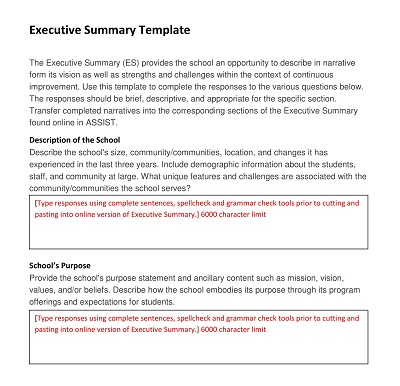
Advanced Executive Summary Template
Format: PDF
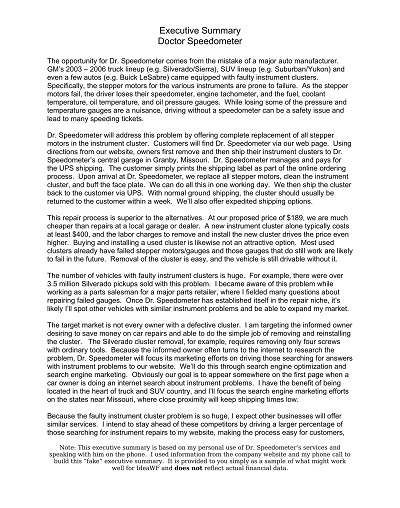
Basic Executive Summary Template
Format: DOC
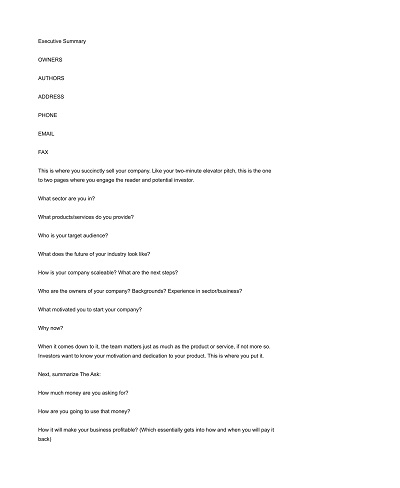
Blank Business Plan Executive Summary Template
Format: DOC
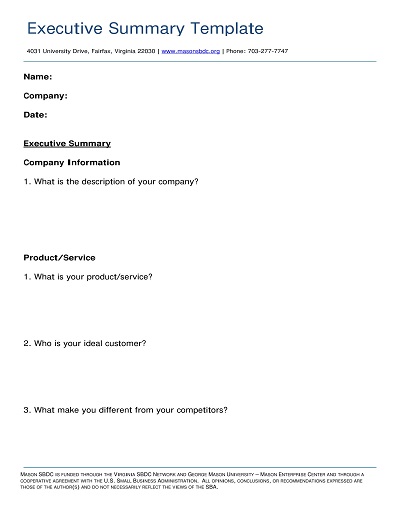
Blank Executive Summary Template
Format: PDF
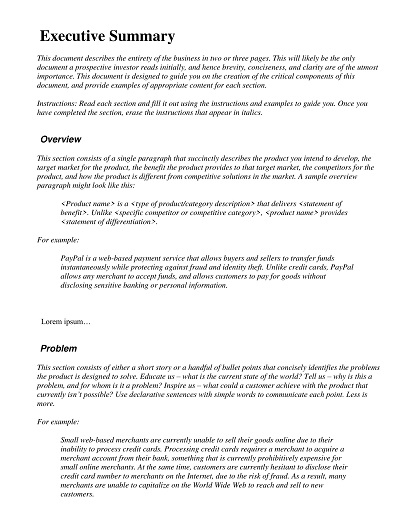
Bootup Labs Executive Summary Template
Format: PDF
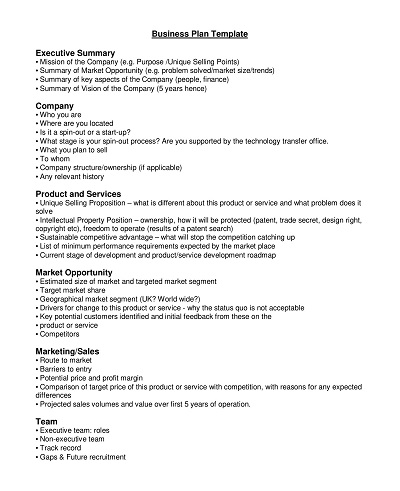
Business Plan Executive Summary Company Template
Format: PDF
📈 Report & Research Executive Summary Templates
Designed for annual reports, research papers, evaluation reports, and project status summaries. These templates follow the structure that academic and corporate readers expect: background, methodology, key findings, conclusions, and recommendations.
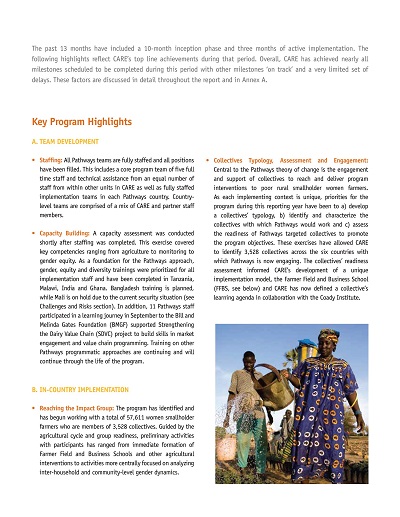
Annual Report Executive Summary Template
Format: PDF
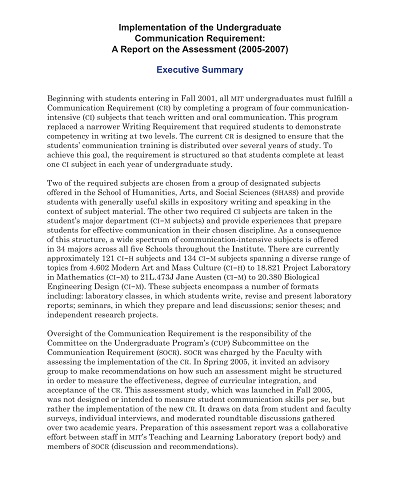
Assessment Executive Summary Template
Format: PDF
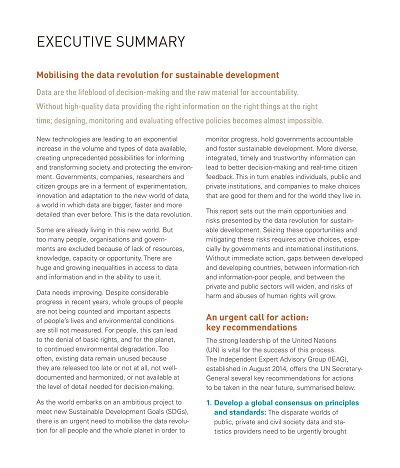
Data Revolution Executive Summary Template
Format: PDF
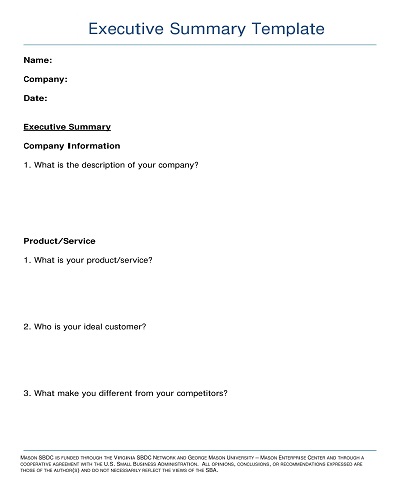
Editable University Executive Summary Template
Format: PDF
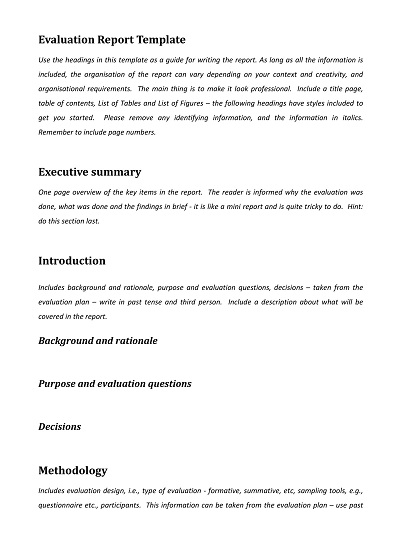
Evaluation Report Executive Summary Template
Format: PDF
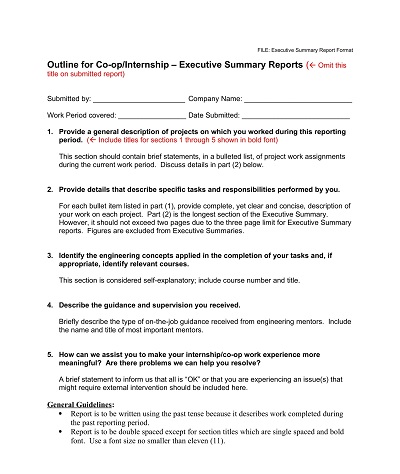
Executive Summary Report Guide
Format: DOC
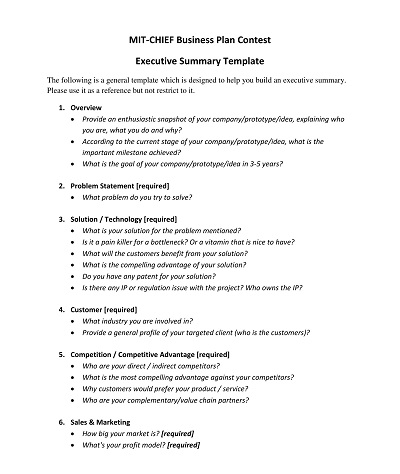
Executive Summary Template Example
Format: DOC
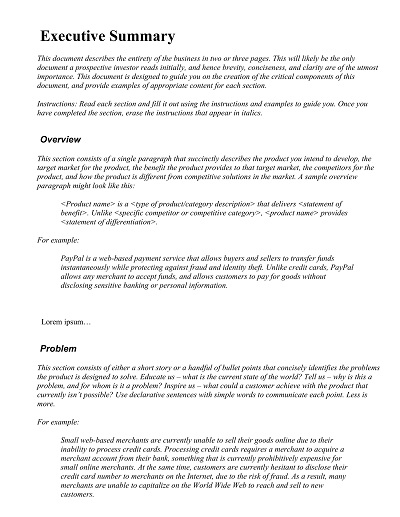
Executive Summary Template Sample PDF
Format: PDF
Executive Summary Template Word
Format: DOC
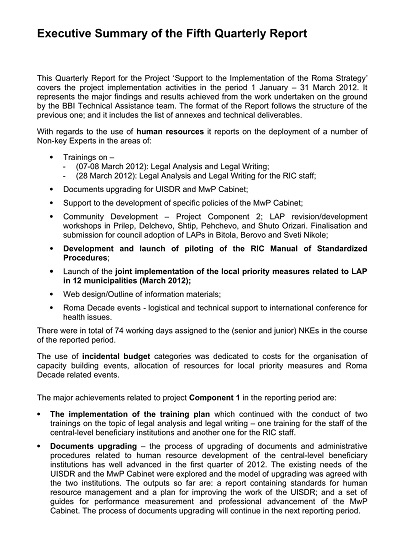
Fifth Quarterly Report Executive Summary
Format: DOC
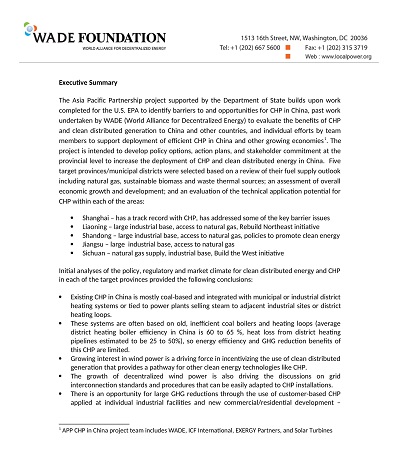
Foundation Executive Summary Template
Format: DOC
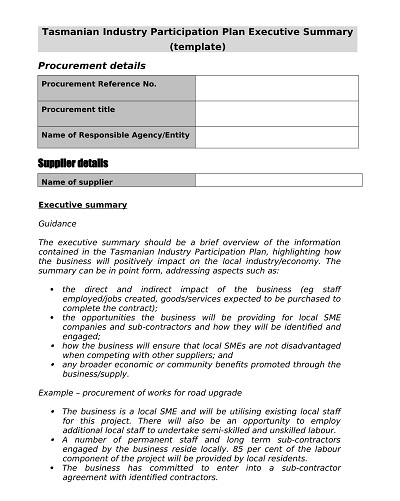
Industry Participation Executive Summary Template
Format: DOC
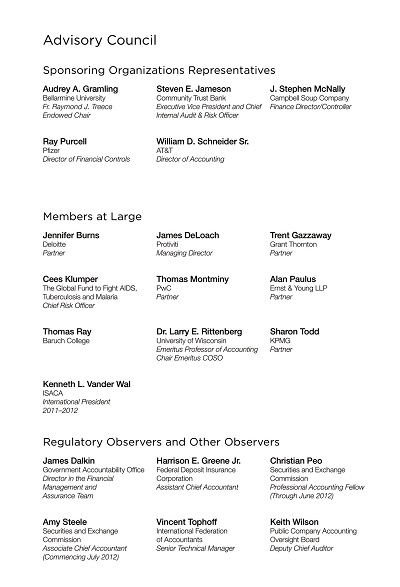
Integrated Framework Executive Summary
Format: PDF
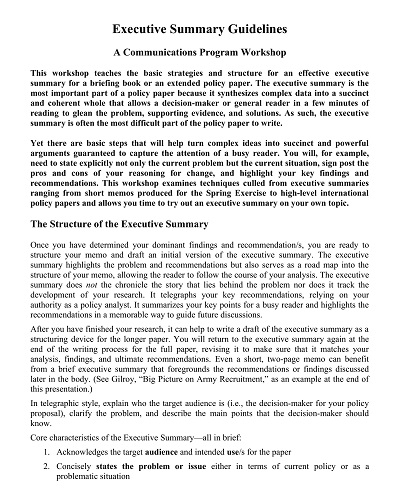
Persuasive Executive Summaries Template
Format: DOC
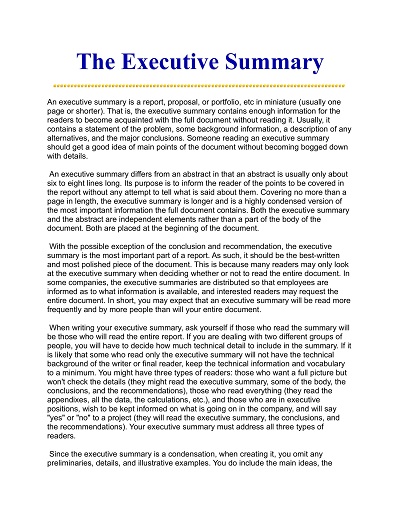
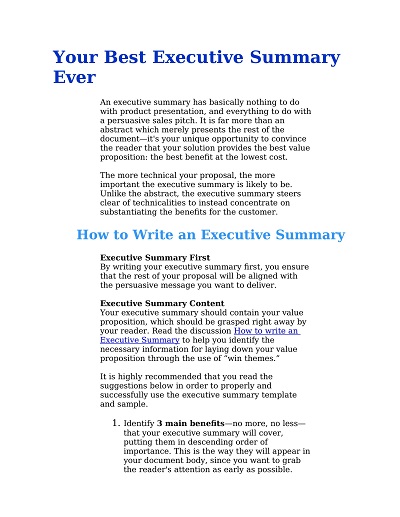
Printable Best Executive Summary Ever
Format: DOCX
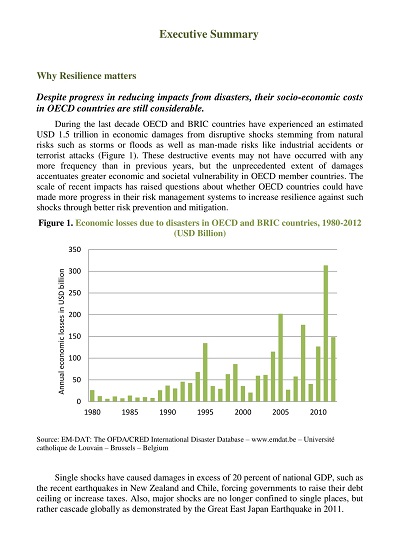
Risk Management Executive Summary Template
Format: PDF
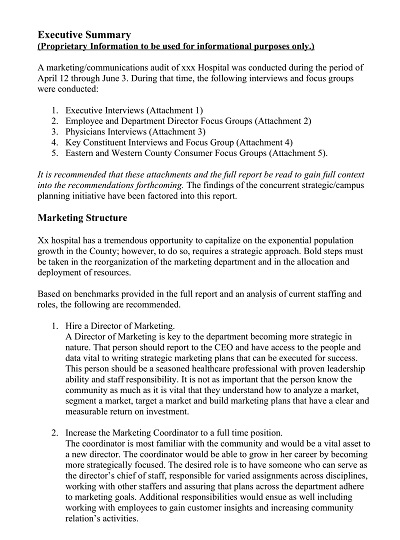
Sample Market Executive Summary Template
Format: DOC
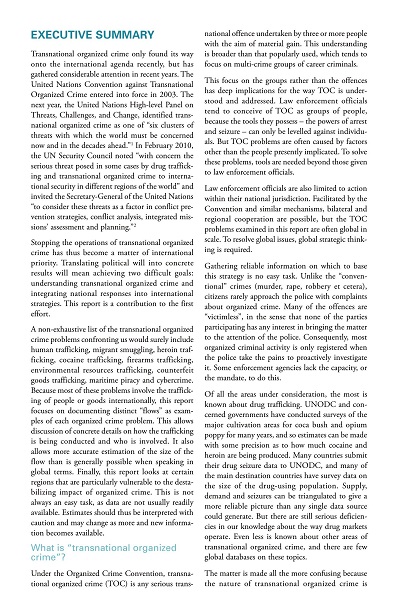
UN Executive Summary Template
Format: PDF
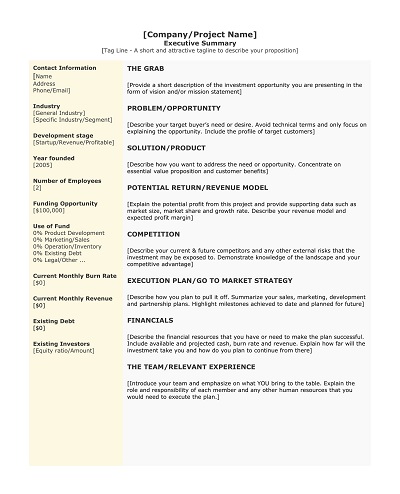
Venture Choice Executive Summary Template
Format: DOC
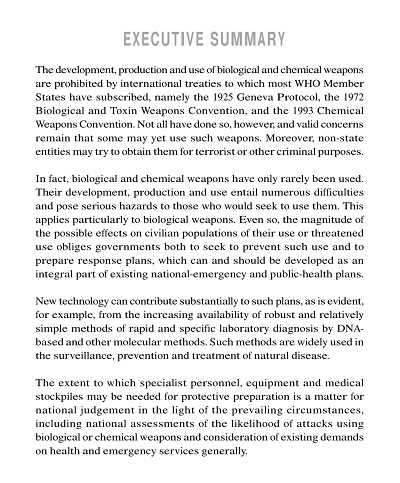
WHO Executive Summary Template
Format: PDF
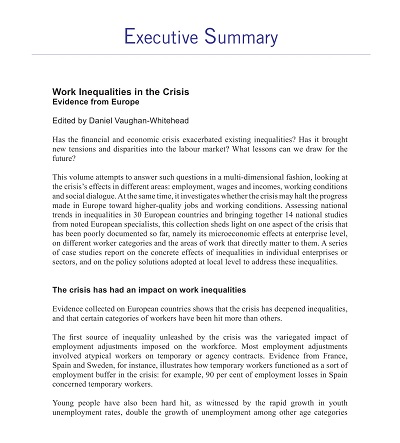
Work Inequalities Executive Summary Template
Format: PDF
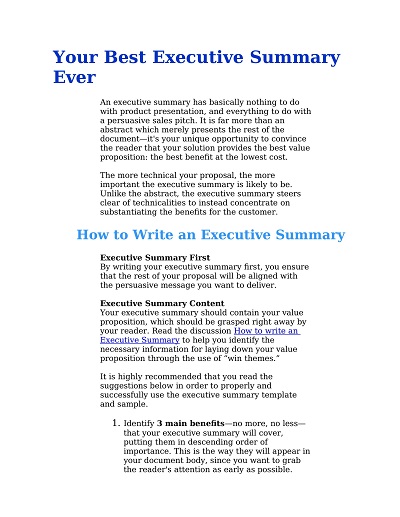
Your Best Executive Summary Ever Template
Format: DOC
What Is an Executive Summary?
An executive summary is a concise overview of a longer document — typically a business plan, report, proposal, or research paper — written for readers who need the key points without reading the full document. It’s not an introduction or a teaser; it’s a standalone summary that covers the most important conclusions, recommendations, and findings so a busy executive can make a decision or understand the situation without reading further.
The most common mistake people make with executive summaries is writing them too long, or writing them as an introduction that says “this report will cover X, Y, and Z” without actually telling the reader what X, Y, and Z turned out to be. A good executive summary tells the reader the answer, not just the question.
Key Elements of an Executive Summary
- Purpose statement: One or two sentences explaining what the document is and what decision or action it supports.
- Background: Brief context about the situation, problem, or opportunity the document addresses.
- Key findings or highlights: The most important data points, results, or conclusions from the full document.
- Recommendations or proposed actions: What you’re suggesting the reader do, and why.
- Financial summary (if applicable): For business plans and proposals, a concise summary of costs, revenue projections, or funding requirements.
- Conclusion: A brief closing statement that reinforces the main point and makes it easy for the reader to take the next step.
Types of Executive Summary Templates
1. Business Plan Executive Summary
Used by entrepreneurs and startups to introduce a business plan to investors or lenders. Covers the business concept, market opportunity, competitive advantage, team, and financial projections in one to two pages. This is often the only part of a business plan an investor reads before deciding whether to request a meeting.
2. Project Proposal Executive Summary
Summarizes a project proposal for internal stakeholders who need to approve budget and resources. Covers the problem being solved, the proposed approach, timeline, cost, and expected outcomes. Keeps decision-makers from having to read a full project proposal document before giving the green light.
3. Research or Report Executive Summary
Written to accompany a research paper, annual report, or evaluation document. Structured around background, methodology, key findings, and recommendations. Used extensively in government, nonprofit, and academic contexts where reports routinely run to fifty pages or more and need a readable front section.
4. Risk Management Executive Summary
Summarizes a risk assessment or risk management report for board-level review. Focuses on the highest-priority risks, their likelihood and impact, and the mitigation strategies in place. Boards and senior leadership need this kind of summary to exercise governance oversight without reading every detail of a full risk register.
How to Write an Executive Summary
- Write it last: The executive summary is the last thing you write, not the first. You can’t accurately summarize a document you haven’t finished.
- Start with the conclusion: Lead with the most important finding or recommendation. Don’t build up to it — put it at the top.
- Keep it to one or two pages: For most business documents, one page is ideal. Two pages is the practical maximum before it stops functioning as a summary.
- Use the same section headings as the full document: Makes it easy for the reader to find the relevant section in the full document if they want more detail on a specific point.
- Avoid jargon: The executive summary is often read by people outside the technical team. Write for a smart, informed generalist, not a specialist.
- End with a clear call to action: Tell the reader exactly what you want them to do next — approve the budget, schedule a meeting, sign off on the proposal.
Frequently Asked Questions
How long should an executive summary be?
For most business documents, one page is the ideal length. For longer reports (fifty pages or more), two pages is acceptable. As a general rule, the executive summary should be no more than 10% of the length of the full document, and never longer than it needs to be to cover the key points.
What is the difference between an executive summary and an abstract?
An abstract describes what a document covers and how the research was conducted — it’s found in academic papers and tells the reader what to expect. An executive summary presents the actual findings and recommendations — it’s written for decision-makers and replaces reading the full document rather than introducing it.
Can I use these templates in Word?
Yes. All DOC and DOCX templates open directly in Microsoft Word or Google Docs. Replace the placeholder text with your own content, adjust the sections to match your document structure, and you’re ready to use it.
Are these templates free?
Yes. Every template on this page is completely free to download. No account, signup, or payment required — just click the download button on any template above.